Simoncini Cancer Therapy
Treat cancer as a fungus
Dr. Simoncini Cancer Therapy
Dr. Tullio Simoncini, – oncologist from Rome, Italy – has pioneered sodium bicarbonate (NaHCO3) therapy as a means to treat cancer. The fundamental theory behind this treatment lies in the fact that, despite a number of variable factors, the formation and spreading of tumors is simply the result of the presence of a fungus.

Sodium Bicarbonate
Sodium bicarbonate, unlike other anti-fungal remedies to which the fungus can become immune, is extremely diffusible and retains its ability to penetrate the tumor, due to the speed at which the sodium bicarbonate disintegrates the tumor. This speed makes fungi’s adaptability impossible, rendering it defenseless.
General information
About Dr. Simoncini
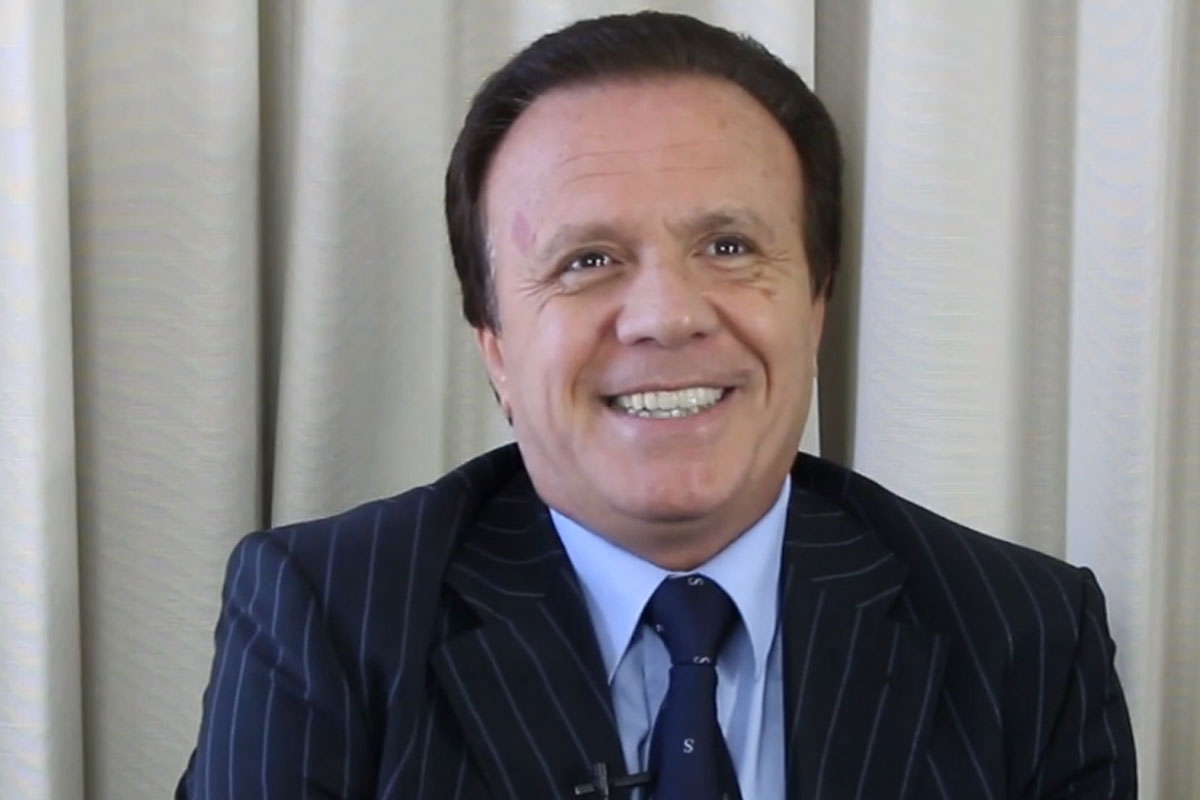
Tullio Simoncini is a roman doctor specialising in oncology, diabetology and in metabolic disorders. He has a strong opposition to any type of intellectual conformity, which is often based on suppositions without foundation or worse, on lies and falsities.
Sodium bicarbonate
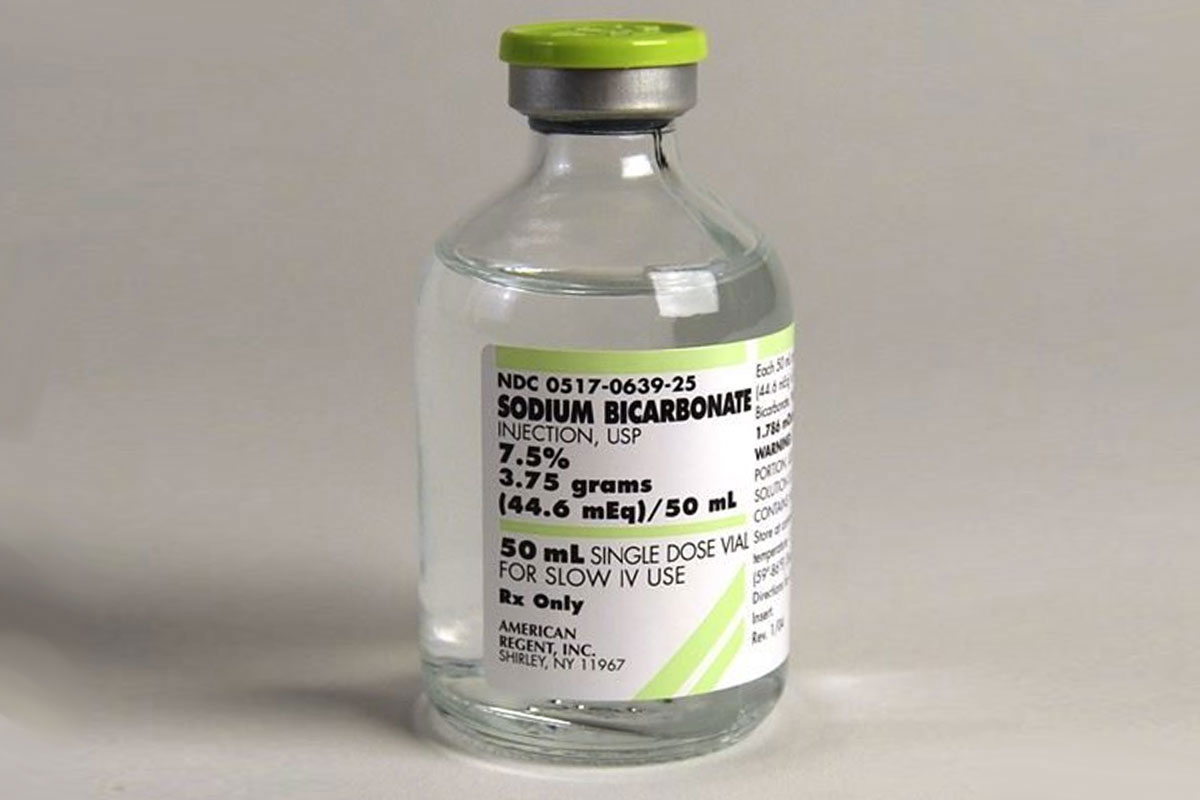
The fundamental reason and the motives that suggest a therapy with sodium bicarbonate against tumours is that, although with the concurrence of a myriad of variable concausal factors – the development and the local and remote proliferation of these tumours has a cause that is exclusively fungin.

Candida Albicans
Candida in cancer patients is usually interpreted as a consequence of the weakening and of the exhaustion of the organism because of neoplastic lesions. But candida is not a post hoc but an ante hoc cause.

Treatment protocols
Dr. Simoncini’s methods have cured people for over 25 years. Many of his patients recovered completely from cancer, even in cases where official oncology had given up.
The best way to try to eliminate a tumour is to bring it into contact with sodium bicarbonate, as closely as possible.
Interviews with Dr. Simoncini
An introduction to the therapy
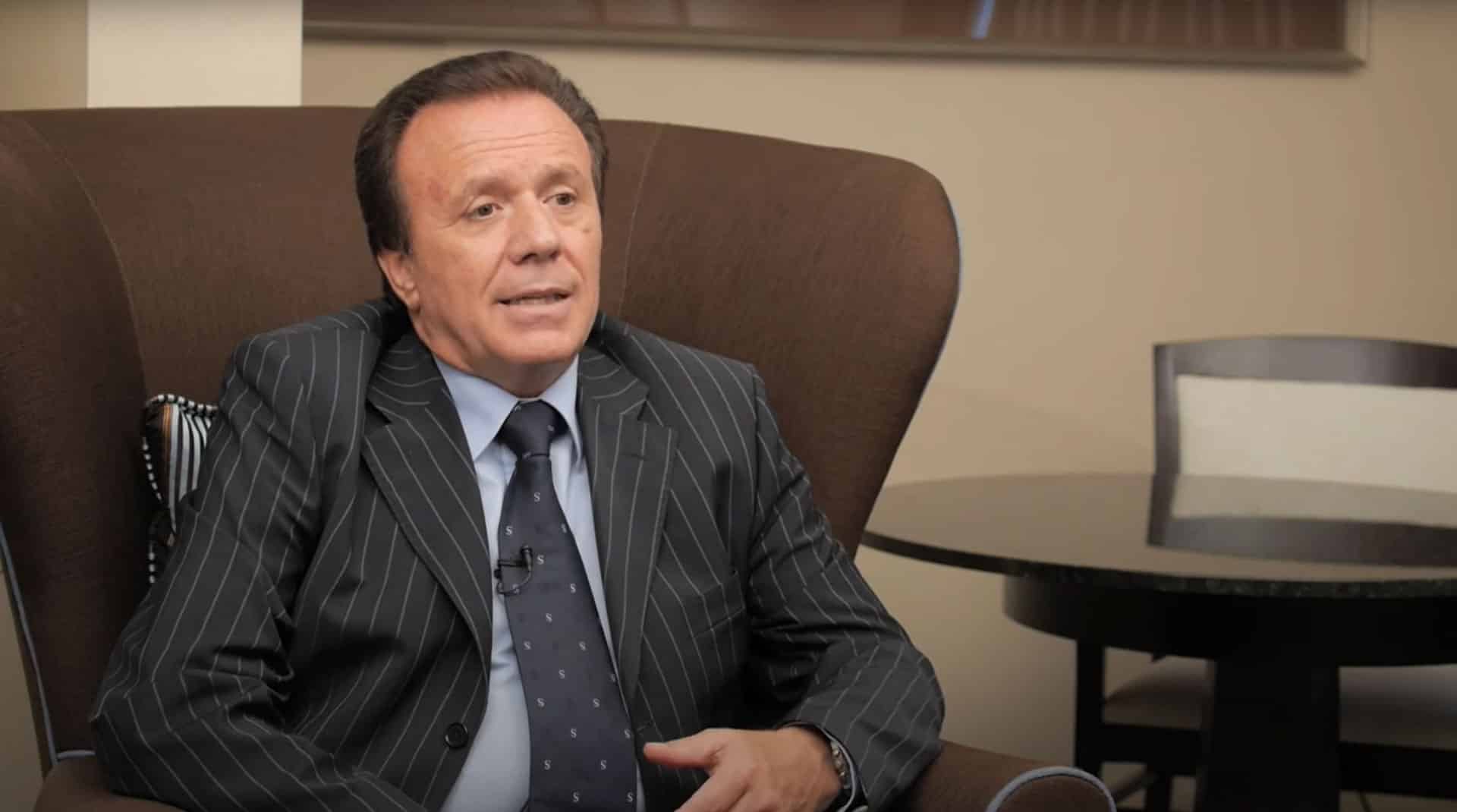
In this video interview Dr. Simoncini tells about his findings regarding the therapy utilizing sodium bicarbonate.
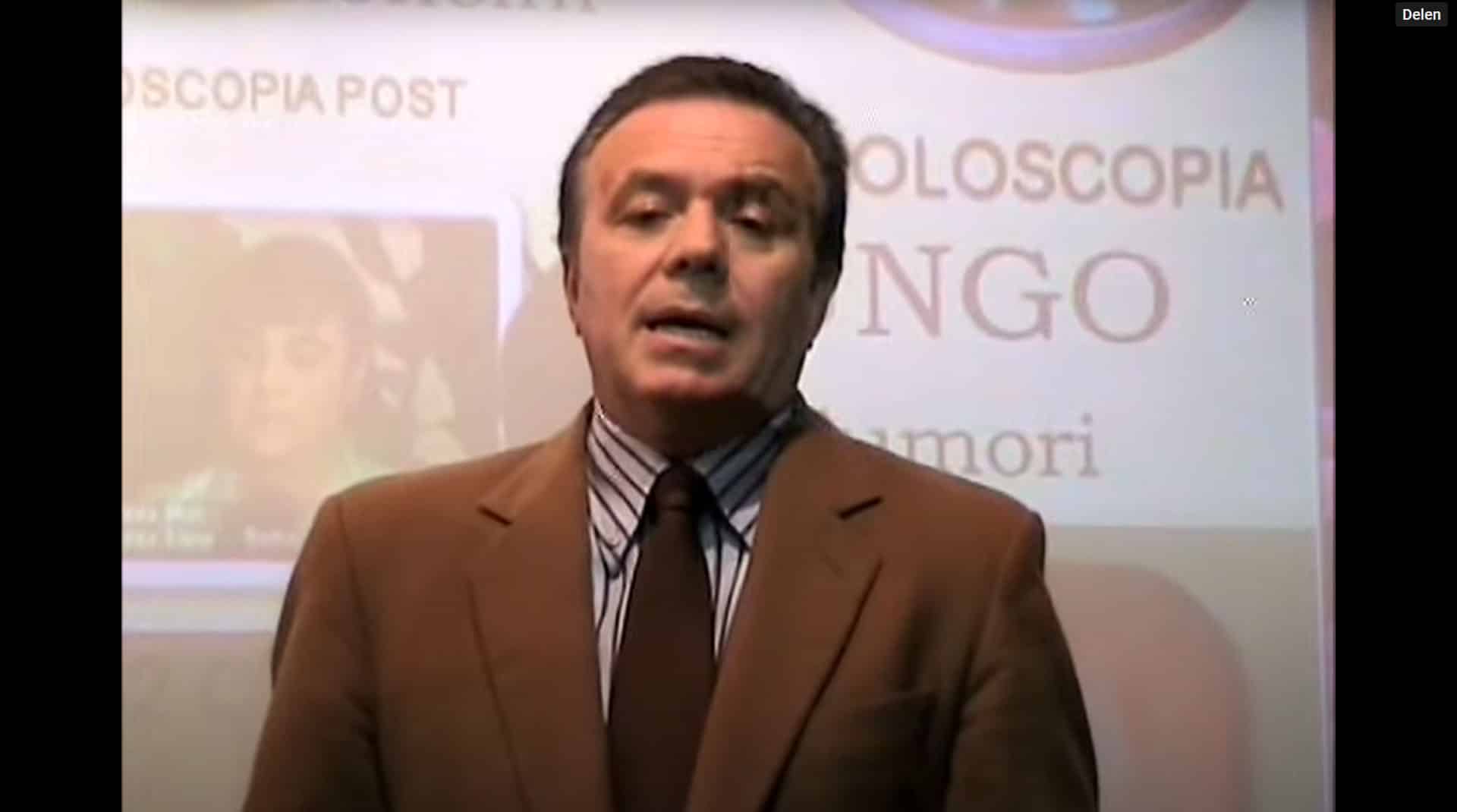
The first video, back in 2007
The first interview with Tullio Simoncini in English goes back to 2007. In this video you will see more about treatments, patients en examples of the therapy.
Additional information
Clinical cases
Many cases have been documented by me.
Video testimonials
Some patients tell their story.
Examples
Examples of my therapy.
Video Dr. Simoncini
Some interviews with Dr. Simoncini.
Dr. Simoncini writes...
My clear opinion about cancer.
FAQ
Many questions are answered here.
Audio
Interviews about the therapy
My book
Available in English, French and Dutch.
Patients tell their story
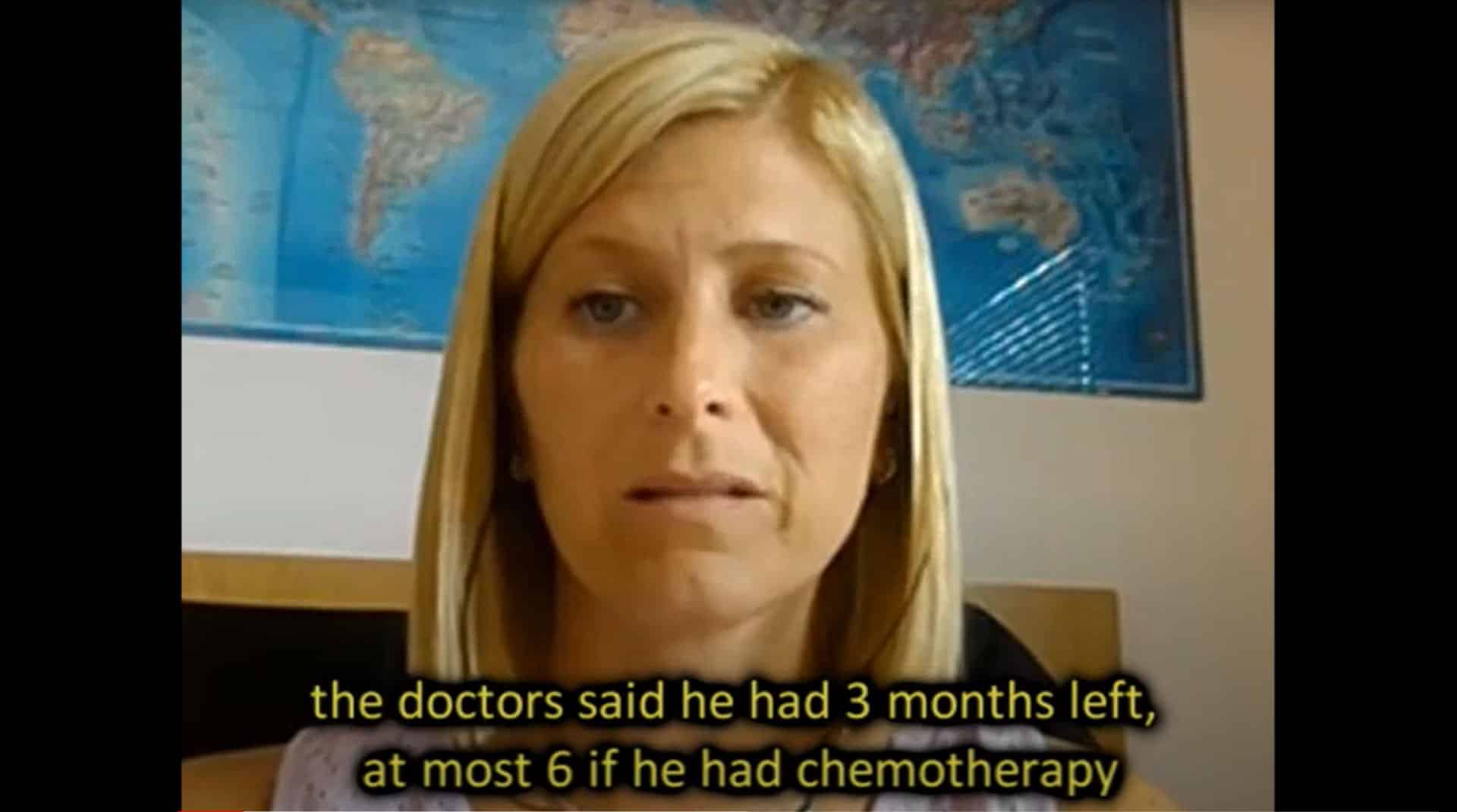
Brainstem cancer
The mother of a boy tells the story of her young son who was suffering from a rare type of cancer, brainstem glioma.
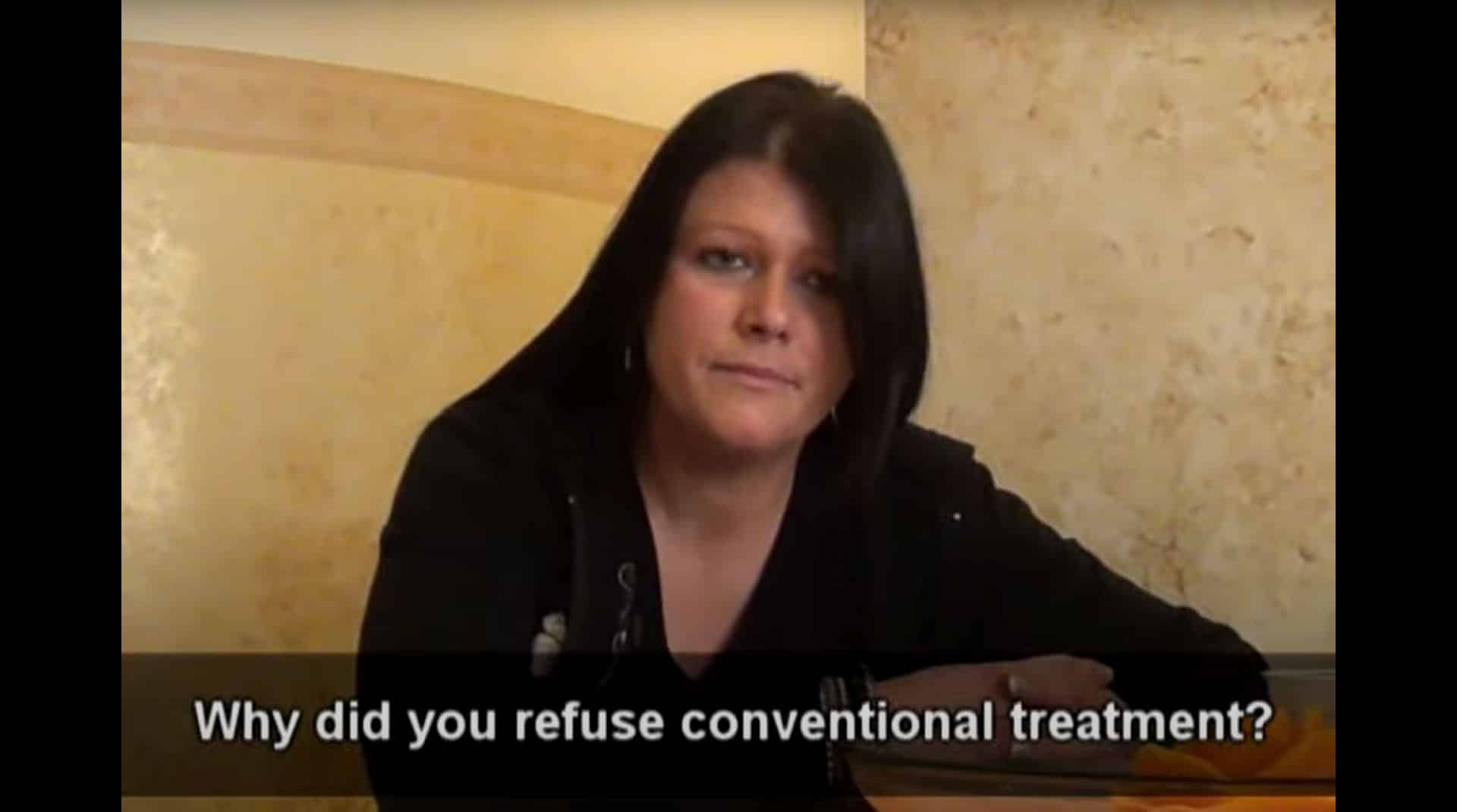
Uterus cancer
In 2011 Daniela was suffering from an infiltrating carcinoma of the uterus. She refused traditional treatments because of the lack of succes.
News Candida and Cancer
About Dr. Simoncini
About Dr. Tullio Simoncini Tullio Simoncini is a roman doctor specialising...
Sodium bicarbonate
Sodium bicarbonate The fundamental reason and the motives that suggest a therapy with sodium...
Candida
Candida Tumors are perceived as one phenomenon. Tumors are one phenomenon,...
Patient who suffered metastasized ovarian cancer
A Bulgarian cancer patient tells her story regarding the diagnosis in 2016.
Communication
Telephone: (+39) 3389997821
Telephone: (+39) 335294480
Email: t.simoncini@alice.it
Disclaimer
The information we provide is for educational purposes only and is not intended as medical advice. Users assume all responsibility for the application of the content on themselves. The information and/or products which on this website are reproduced are not meant to replace and/or to ignore the advice of a practicing physician.


